
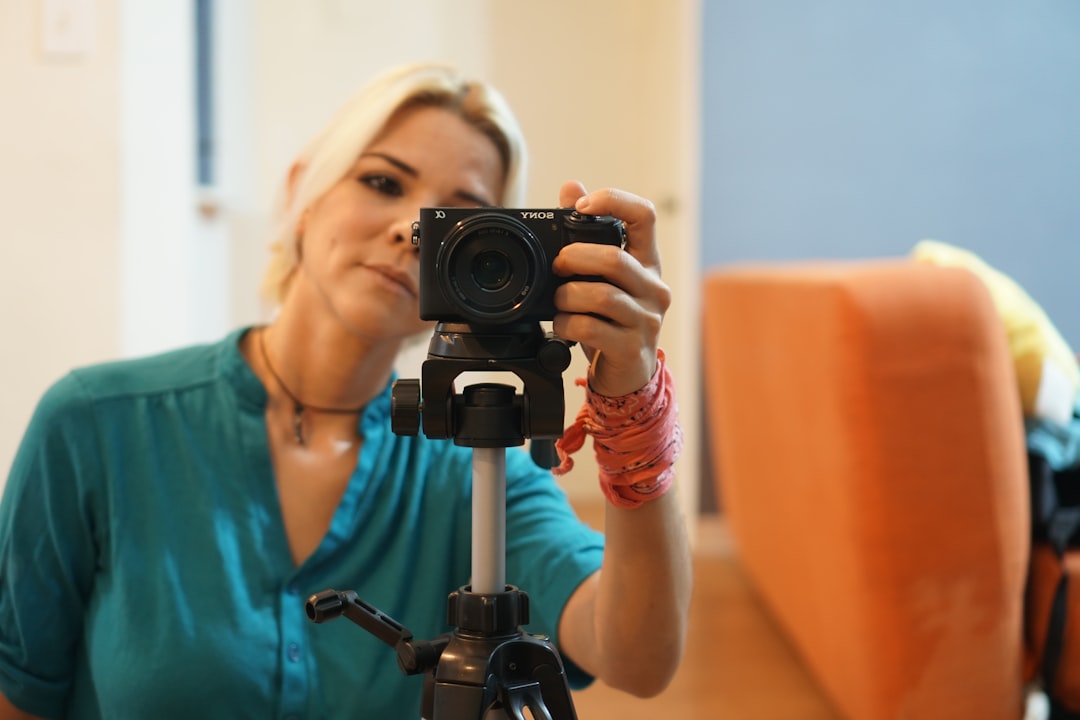
How to Choose the Perfect Camera Gear for Your Photography Needs
Photography is more than just clicking a button; it’s about capturing moments, emotions, and stories. The right camera gear plays a crucial role in helping you achieve your creative vision. With so many options available, choosing the perfect setup can be overwhelming. Whether you’re a beginner, an enthusiast, or a professional, this guide will help you select the best camera, lenses, and accessories for your photography style.
1. Understanding Your Photography Style
Before purchasing camera gear, identify what type of photography you want to focus on. Different genres require different equipment:
- Portrait Photography: Requires a camera with good depth-of-field control and prime lenses like 50mm or 85mm.
- Landscape Photography: Wide-angle lenses (16-35mm) and tripods are essential for capturing breathtaking scenery.
- Wildlife & Sports Photography: Fast autofocus and telephoto lenses (200mm and above) are ideal for distant subjects.
- Street Photography: A compact and lightweight mirrorless camera with a 35mm or 50mm lens is great for capturing candid moments.
- Macro Photography: Requires a specialized macro lens for close-up details of subjects like flowers and insects.
Choosing gear that aligns with your photography style ensures you get the best results without unnecessary expenses.
2. Choosing the Right Camera
Cameras come in different types, each offering unique advantages.
A. DSLR Cameras
- Provide excellent image quality and interchangeable lenses.
- Optical viewfinder allows for real-time composition.
- Great for professionals and advanced photographers.
- Popular choices: Canon EOS 90D, Nikon D7500
B. Mirrorless Cameras
- Lighter and more compact than DSLRs with similar capabilities.
- Fast autofocus and great video features.
- Popular choices: Sony Alpha A7 IV, Fujifilm X-T4
C. Compact & Action Cameras
- Best for casual photographers and travel enthusiasts.
- Portable, easy to use, and great for on-the-go shooting.
- Popular choices: GoPro Hero 11, Sony ZV-1
When selecting a camera, consider sensor size, resolution, autofocus performance, and video capabilities to match your needs.
3. Selecting the Best Lenses
Lenses are just as important as the camera body. The right lens can elevate your shots and allow more creative control.
A. Prime vs. Zoom Lenses
- Prime Lenses: Have a fixed focal length, offering sharper images and better low-light performance (e.g., 50mm f/1.8).
- Zoom Lenses: Provide versatility by covering a range of focal lengths (e.g., 24-70mm f/2.8).
B. Lens Types by Photography Style
- Portraits: 50mm, 85mm (great for background blur and depth).
- Landscapes: 16-35mm (wide-angle lenses for capturing vast scenes).
- Wildlife/Sports: 100-400mm (telephoto lenses to get closer to the action).
- Macro: 90mm, 100mm (for extreme close-ups and details).
A good lens investment will outlast your camera body and significantly impact your image quality.
4. Essential Accessories to Enhance Your Photography
Beyond the camera and lenses, accessories can improve your shooting experience and protect your gear.
- Tripod: Essential for stability in long exposures and low-light conditions.
- Camera Bag: Protects and organizes your equipment for easy access.
- Memory Cards: High-speed cards (UHS-II, V90) for better performance, especially for video recording.
- Filters: Polarizers, ND filters, and UV filters help manage lighting conditions and enhance image quality.
- External Flash: Provides better lighting for indoor and portrait photography.
- Cleaning Kit: Keeps lenses and camera sensors dust-free for optimal performance.
Investing in quality accessories ensures your gear remains in top condition and enhances your shooting capabilities.
5. Budget Considerations & Future Upgrades
Photography gear can be expensive, so it’s important to start with essentials and upgrade over time.
- Beginner: Start with an entry-level DSLR or mirrorless camera and a kit lens.
- Intermediate: Upgrade to a prime or zoom lens suited for your style.
- Professional: Invest in high-end lenses, advanced cameras, and specialized accessories.
Consider future expansion when purchasing gear so that you can build a system that grows with your skills.
Final Thoughts
Choosing the right camera gear depends on your photography goals, budget, and level of experience. Instead of chasing the latest trends, focus on building a kit that complements your style and helps you create stunning images. With the right combination of camera, lenses, and accessories, you’ll be well-equipped to capture incredible shots and take your photography to new heights.